


BWA · Africa
Botswana
Botswana is one of Africa's premier wildlife destinations, built around low-density safari areas, desert landscapes and strong conservation management. The Botswana Tourism Organisation highlights the Okavango Delta, Chobe National Park, Moremi Game Reserve, Makgadikgadi and Nxai Pans, Central Kalahari Game Reserve, Tsodilo Hills, Kgalagadi Transfrontier Park, Maun, Kasane and mokoro canoe experiences. It is best for safari travelers, photographers, birders and families comfortable with remote lodges and small aircraft.
The Okavango Delta is the signature attraction: a vast inland wetland where seasonal floodwaters create channels, lagoons and islands rich in wildlife. Visitors usually access it through Maun by light aircraft, boat, mokoro or 4x4 depending on camp location and season. Chobe, reached through Kasane, is famous for elephants and boat safaris on the Chobe River, and pairs easily with Victoria Falls across the borders in Zimbabwe or Zambia. Makgadikgadi offers salt-pan scenery, meerkats and seasonal zebra movement, while Tsodilo Hills adds UNESCO-listed rock art and cultural depth.
A first safari usually needs seven to ten days: two or three nights each in the Delta and Chobe or Linyanti, with Maun or Kasane as gateways. Dry season from roughly May to October is best for concentrated wildlife and cooler evenings, while green season brings birds, newborn animals, lush landscapes and lower rates in some areas. Travel can be expensive because many camps are fly-in and remote; book far ahead for peak season, pack soft-sided luggage, neutral clothing, sun protection and warm layers for early drives.
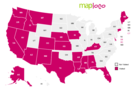
The U.S. Department of State lists Botswana at Level 2, Exercise Increased Caution, due to crime. U.S. tourists do not need a visa for stays up to 90 days, but passports need six months validity beyond arrival and departure and three blank pages. The State Department warns that much of Botswana is remote, medical resources may be limited, medical evacuation can be delayed and internet is unreliable in remote regions. Visitor Tip: buy medical evacuation insurance, confirm luggage limits for light aircraft, and choose fewer camps for longer stays rather than losing safari time to repeated transfers.
Sources
- Safari camp access, park fees, transfer times and aircraft baggage limits should be verified before booking.
- Remote medical evacuation coverage is especially important for fly-in safari itineraries.
- Wildlife viewing varies by flood levels, rainfall and season.