

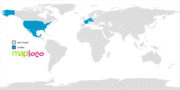



ISL · Europe
Iceland
Iceland is a North Atlantic island destination known for volcanic landscapes, glaciers, waterfalls, geothermal areas, black-sand beaches, lava fields, hot springs, whale watching, northern lights, and compact access through Reykjavik and Keflavik Airport. Visit Iceland, the official travel information site, is the key planning source, while common first-time routes include Reykjavik, the Golden Circle, South Coast waterfalls and beaches, the Blue Lagoon or other geothermal baths, Snæfellsnes Peninsula, and, with more time, the Ring Road, Westfjords, Lake Myvatn, and Eastfjords.
The country suits photographers, hikers, road-trippers, couples, families with older children, and travelers interested in geology and responsible nature travel. A three- to four-day trip can cover Reykjavik, the Golden Circle, and a South Coast sample; seven to ten days works better for the Ring Road in fair weather; winter trips should be shorter and more flexible unless travelers have experience with snow, wind, and limited daylight. Summer brings long daylight, puffins, highland access, and crowds; winter brings aurora chances, ice caves by guided tour, and higher disruption risk.
Iceland is generally safe but physically unforgiving. The U.S. State Department advisory issued May 5, 2026, was Level 1, Exercise Normal Precautions, but it specifically warns about rapidly changing weather, dangerous natural features, active volcanoes, earthquakes, and petty crime at tourist sites. U.S. visitors do not need a visa for tourism or business stays up to 90 days in the Schengen Area; passports need three months beyond departure from Iceland/Schengen, two blank pages, proof of funds, and onward or return travel. Driving requires serious weather checks, no stopping in roads for photos, and strict respect for closures, surf warnings, and marked paths.
Visitor Tip: Check SafeTravel, road.is, weather, and volcanic alerts every day, even in summer, and book guided tours for glaciers, ice caves, and winter highland-style routes. Pack waterproof layers, warm base layers, hat, gloves, and sturdy footwear rather than relying on the season name.
Sources
- Volcanic activity, road closures, aurora forecasts, ice-cave access, ferry schedules, and highland-road openings change rapidly and must be checked close to travel.
- The official Visit Iceland site loaded with limited text in automated research, so safety and entry details were cross-checked with State Department and independent sources.