

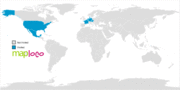



SLV · North America
El Salvador
El Salvador is Central America's smallest country, combining Pacific surf towns, volcanoes, archaeological parks, colonial villages, coffee landscapes, crater lakes, food culture, and a rapidly changing security environment. The official El Salvador Travel site highlights Surf City, nature and adventure, archaeological parks, towns and cities, wellness, gastronomy, tour operators, tourist transport, and guides. First-time routes usually link San Salvador, El Boqueron, Joya de Ceren, San Andres or Tazumal, Lake Coatepeque, Ruta de las Flores towns such as Ataco and Juayua, and Pacific beaches around El Tunco, El Sunzal, La Libertad, or Las Flores.
UNESCO lists Joya de Ceren Archaeological Site as the country's World Heritage property. The site preserves a pre-Hispanic Maya farming village buried by a volcanic eruption around the 7th century, giving unusual evidence of ordinary household life, storage, agriculture, kitchens, workshops, and a temazcal sweat bath rather than only elite monuments. El Salvador also has 21 active volcanoes according to U.S. guidance, which shapes both scenery and risk: hikes to Santa Ana/Ilamatepec, Izalco, and other volcanic areas should be done with certified local guides, weather checks, and current park rules.
Four to seven days works for San Salvador, one archaeological route, Ruta de las Flores, and a surf/coast stop; ten days allows slower beaches, eastern El Salvador, or more volcano hiking. The U.S. State Department lists El Salvador as Level 1, Exercise Normal Precautions, as of June 25, 2026, but notes the State of Exception remains in place, several U.S. citizens have been detained under it, and U.S. government employees are prohibited from intercity travel at night and from using public buses. U.S. tourists do not need a visa for stays up to 90 days, but should verify passport validity, tourist-card or entry-fee rules, and local driving restrictions. Beach currents and riptides can be dangerous even for strong swimmers.
Visitor Tip: Use certified guides for backcountry hikes, avoid public buses and intercity night driving, and watch beach flag warnings closely on the Pacific coast.