

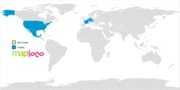



TUV · Oceania
Tuvalu
Tuvalu is one of the world's smallest and most remote countries, a Pacific nation of low coral atolls and reef islands where travel is quiet, community-based, and shaped by climate vulnerability. Timeless Tuvalu, the official government tourism site, describes a peaceful, non-commercialized destination with atolls, lagoons, coral reefs, small islands, Funafuti Marine Conservation, diving and snorkeling, cultural dance, island touring, history and archaeology, local sports, yachting, handicrafts, the national library, philatelic bureau, mangrove planting, and local guesthouses or homestays. Funafuti is the capital and main point of arrival, with the international airport on Fongafale.
Tuvalu has no inscribed UNESCO World Heritage property, but Funafuti Conservation Area is the key visitor-facing natural site. It covers roughly 33 sq km on the western side of Funafuti atoll, including reef, lagoon, channels, ocean habitat, and six motu, with green turtle nesting areas, black noddy colonies, coral, reef fish, giant clams, crabs, and shorebirds. Access is by boat across Te Namo lagoon, and visitors should use local operators, avoid disturbing nesting areas, and follow no-fishing or protected-area rules. Other experiences are modest and local: scooter rides on Funafuti, church services if invited, handicrafts, lagoon swimming, WWII remains, and outer-island visits when transport allows.
Most travelers spend 3 to 5 days on Funafuti because flights, lodging, and boat access are limited; outer islands require much more time and official schedule checks. Tuvalu is hot and humid year-round, with wetter, stormier months and serious king-tide and cyclone-season considerations. U.S. travelers should verify visa, passport, onward-ticket, health, and airline rules before travel, and should carry cash because card acceptance and ATMs are limited. Climate change is not just background: Tuvalu's highest land is only a few meters above sea level, and 2023 constitutional changes asserted permanent statehood and maritime zones despite climate impacts.
Visitor Tip: Confirm flights, accommodation, boat trips, cash access, and medical needs before departure; Tuvalu is rewarding precisely because it is not heavily commercialized, but that means visitors must be self-sufficient and flexible.
Sources
- Tuvalu has no UNESCO World Heritage property and limited current independent visitor infrastructure; transport, entry, and protected-area access should be verified directly before travel.